

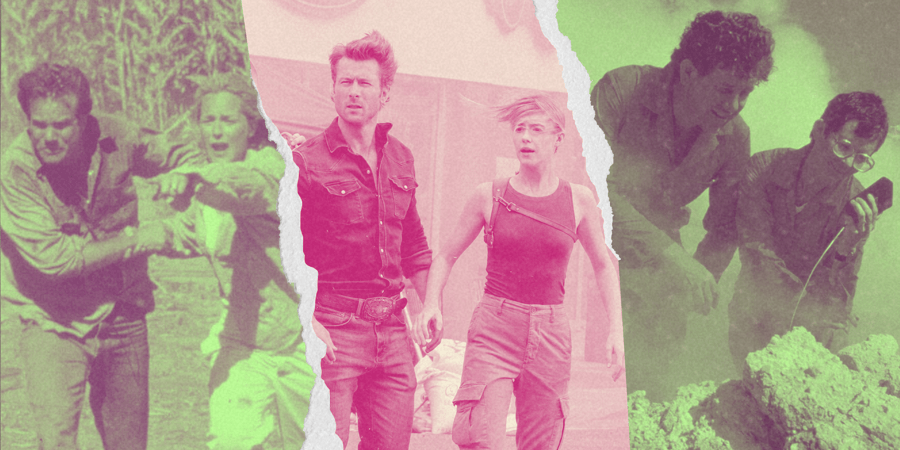
Part One: Twister (1996)
Although Jan de Bont’s Twister lures you in with the promise of thrilling storms, it’s really a movie about divorce. More than any thrill ride, the natural disasters of its title are a device to bring estranged lovers Bill (Bill Paxton) and Jo Harding (Helen Hunt) closer together. It’s intriguing and magnetic storytelling; we enter the ‘suck zone’ and are pulled right in.
Bill starts the film engaged to Melissa (Jami Gertz), a poised professional, with a career change as a TV weatherman awaiting him. For a man who was once referred to by his colleagues as ‘The Extreme,’ this path is safe, dependable. Bill’s trip to retrieve the divorce papers from his meteorologist storm chaser ex-wife is derailed by the promise of seeing the Dorothy project—a machine he and Jo dreamed up as a way to measure data in an active tornado—in action. From this moment in the film, he never leaves Jo’s side.
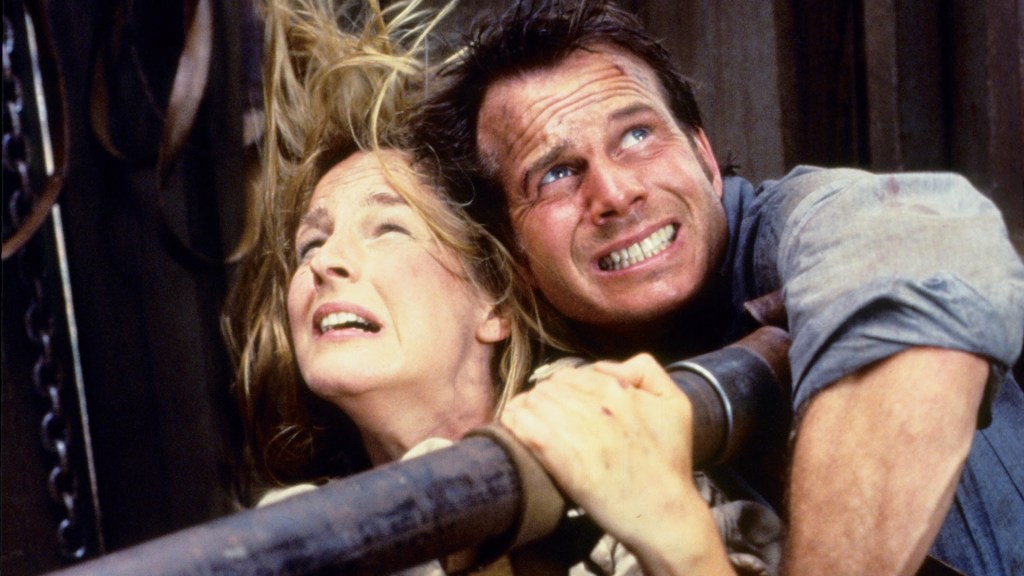
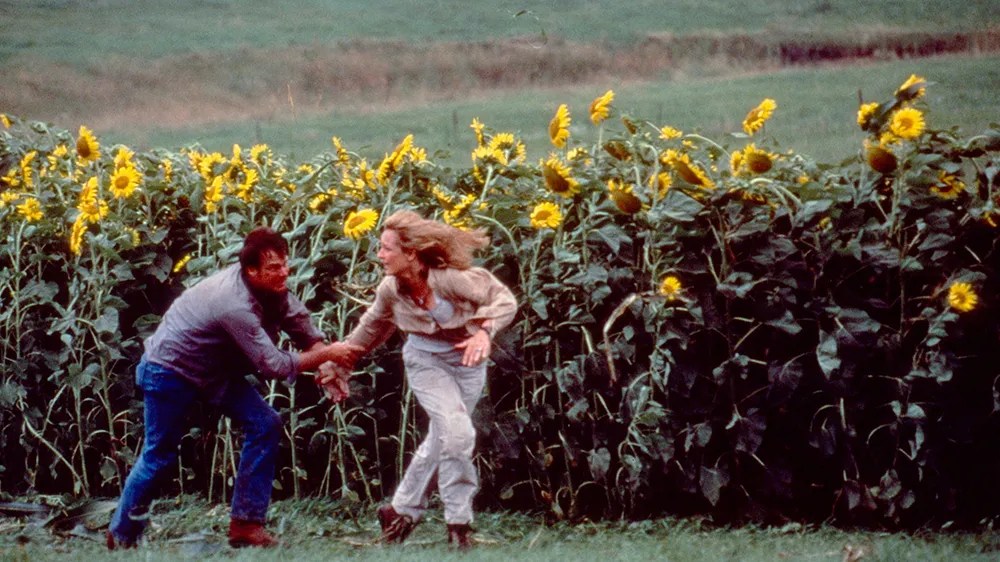
As they share the front seats of trucks on the country roads of Oklahoma, they easily revert into latent intimacies and attachments. The pair’s eyes never stray too far from one another when they share a room, and they can anticipate the other’s reactions like they would a storm’s movement. Then, there are the knowing looks their team share as Bill and Jo’s bickering filters through the radio system, the couple teasing and arguing in a way that challenges rather than derides. As they are run off the road by rivals in the pursuit of a storm, Jo jeers at Bill from the passenger seat, “Have you lost your nerve?” (which sounds a lot like Are you still the same Bill I used to know? Is he still in there?). Bill answers with a scoff, tightens Jo’s seat belt, and kicks back into gear. Their instinct after being caught in the wind of a tornado is to jump out of the car in exhilarated wonder and embrace each other (never mind that Melissa is still in the back seat). With each chase, as the frostiness between them thaws and their bond begins to re-strengthen, the storms in the film become fiercer. The tension builds in tandem with larger, elemental thrills until they finally meet in a passionate kiss, surrounded by the debris and exhilaration of epic destruction.
It’s a shared romantic death drive. Bill and Jo hurtle themselves as close to each tornado as possible. They flirt with danger in the pursuit of scientific knowledge in a way no one else around them can penetrate, not even Melissa. Try as she might, she is an unfortunate victim of their whirlwind bond. Because if it is Bill who is able to pull Jo out of her grief from losing her father as a child (“Stop living in the past and look at what you got right in front of you.” “What are you saying?” “Me, Jo.”) then it is Jo, who could never really let him go, who reminds Bill of his true nature: that he loves the thrill of the storm, and he loves Jo, and maybe these have always been the same thing.
Part Two: Fire of Love (2022)
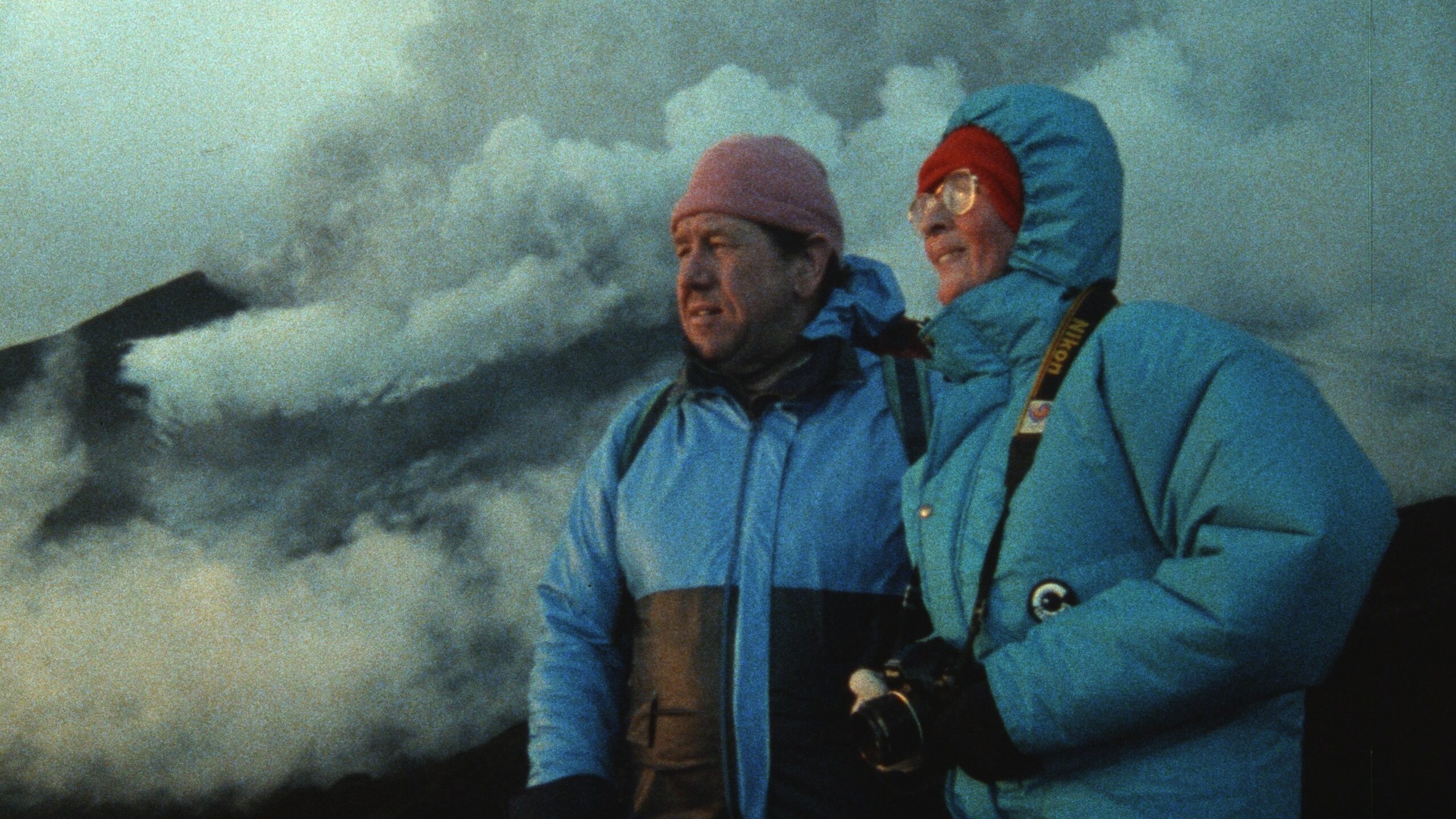
And what about soulmates? For how else are we to describe volcanologists Katia and Maurice Krafft, subjects of the documentary Fire of Love (dir. Sara Dosa)? Marrying in 1970 and dying together in the 1991 eruption of Japan’s Mt. Unzen, the Kraffts left behind an incredible archive of footage, films, and books about volcanoes as world-leaders in their field. They also filmed a lot of themselves: exploring volcano sites, walking on hardened ash with their matching red beanies, at base camp with friends, on their honeymoon. In the clips, there are almost always volcanoes, and Katia and Maurice—with blinding smiles—are almost always together.
The soft-spoken narration of the documentary (from Miranda July), notes that little is known for sure about how the two first met. One story suggests it was on a bench at the university where they studied. Another, at a film screening held by an early volcanologist. The most detailed account is that they met on a blind date at a café. No matter which of these stories is true, that these two people who both had childhood encounters with neighbouring Italian volcanoes met at all is nothing but predestined; as the narration evangelises, “Two humans were born at the same time, in the same place, and they loved the same thing.”
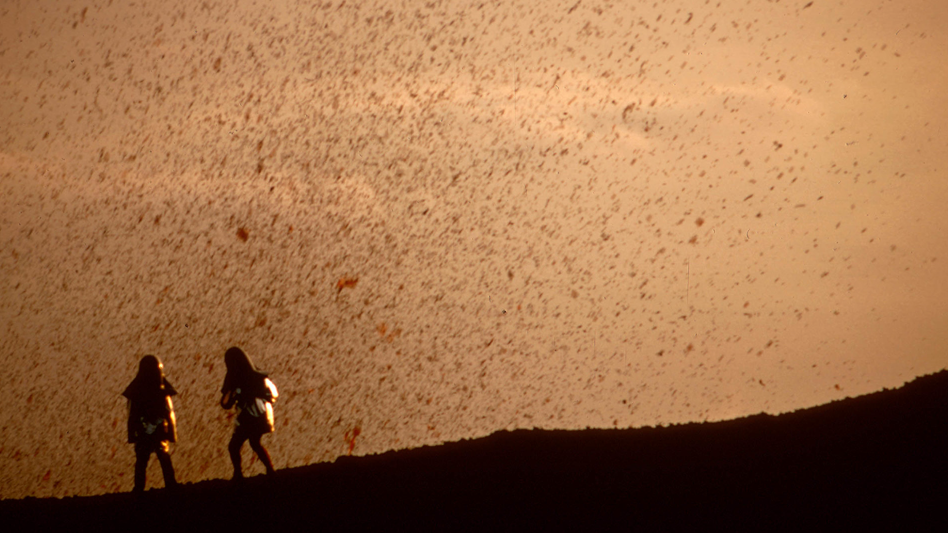
There is an argument to be made about the posthumous, constructed nature of the documentary serving the romantic, almost fable-like narrative Dosa wants to tell. The footage is chosen and cut in a specific way, with passionate and moving narration to convince the audience of the subjects’ devotion. It is a love story that’s being sold. But even so, there is something undeniable in Katia revealing that her greatest fear is to lose sight of Maurice and to never see him again (“I follow him because if he’s going to die, I’d rather be with him. So I follow”). Endlessly curious and dedicated to these mysteries of the earth, they share a willingness to throw their love and themselves on the line.
The Kraffts may not be Shakespearean figures, but for as long as stories have been told, love and tragedy have gone hand in hand. Fire of Love brings attention to an epic love story that might otherwise have been lost to time, yet its fiery end also leaves us to consider how devastating and lonely it must be to pursue something so destructive. Though their warnings would sometimes go ignored, in the years leading up to their deaths, the Kraffts shifted their mission to the implementation of better predictive and preparedness systems for volcanic eruptions, in hopes of saving the lives of whole villages and cities. United in their feelings of helplessness, their passion isn’t necessarily built from the love of the thrill; all Katia and Maurice had to do was look at their beloved beside them and know that there was someone else who could understand the contradictions that come with loving such a great and terrible beauty.
Part Three: Twisters (2024)
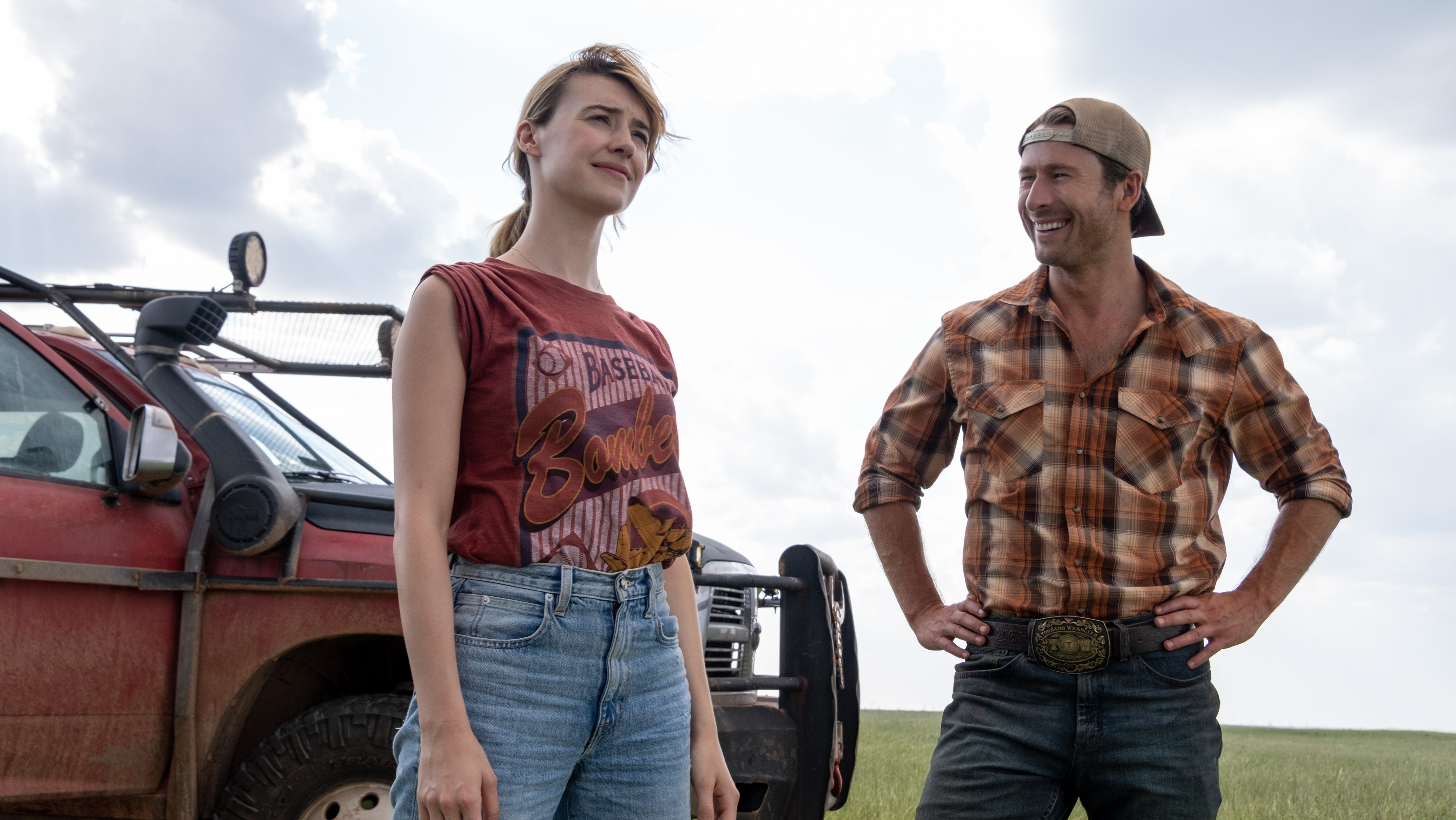
In an interview I conducted with Glen Powell about his new film Twisters (directed by Lee Isaac Chung), he referenced the uniqueness of a bond between two people derived from a shared love of science. When his character, Tyler Owens, a cowboy storm chaser who calls himself a ‘Tornado Wrangler,’ first meets Kate (Daisy Edgar-Jones), a more reserved yet talented storm chaser, they first clash due to opposing methods. But, over time, recognition leads to something deeper and more tender:
“For someone to hit the road and send up weather balloons and haul ass down highways and get as close as you possibly can, it’s such a specific love, right? But if you can find a person that shares that love with you, that gets as excited as you do? […] What a beautiful thing.”
(The Big Issue Australia, Issue #716)
Powell shared that Fire of Love was used as a reference by he and Edgar-Jones when building their characters’ relationship. When Tyler first meets Kate, he struts up to her and starts peacocking. But Kate doesn’t easily fall for the slow grin charm that has won him over a million YouTube subscribers. She’s unimpressed by Tyler’s showboating and reckless, dare-devil approach to storm chasing. She believes they differ in purpose and easily bests him, leading him astray from which storms are worth chasing. Yet each time, Tyler doesn’t react with anger, but with curiosity and awe. He has met his match, and if you feel it, chase it.
The romance in Twisters takes shape in its quieter moments. The film is not short on high-octane chase scenes by any means—Tyler drives into tornadoes for fun—but when Kate and Tyler find moments away from the thrill, sitting side-by-side at a rodeo or at Kate’s childhood farm, and are really able to get to know each other, mutual respect and admiration is given the space to grow. Tyler has a heart of gold that surprises Kate, while Kate has a brilliance and strength about her that Tyler is quickly in awe of.
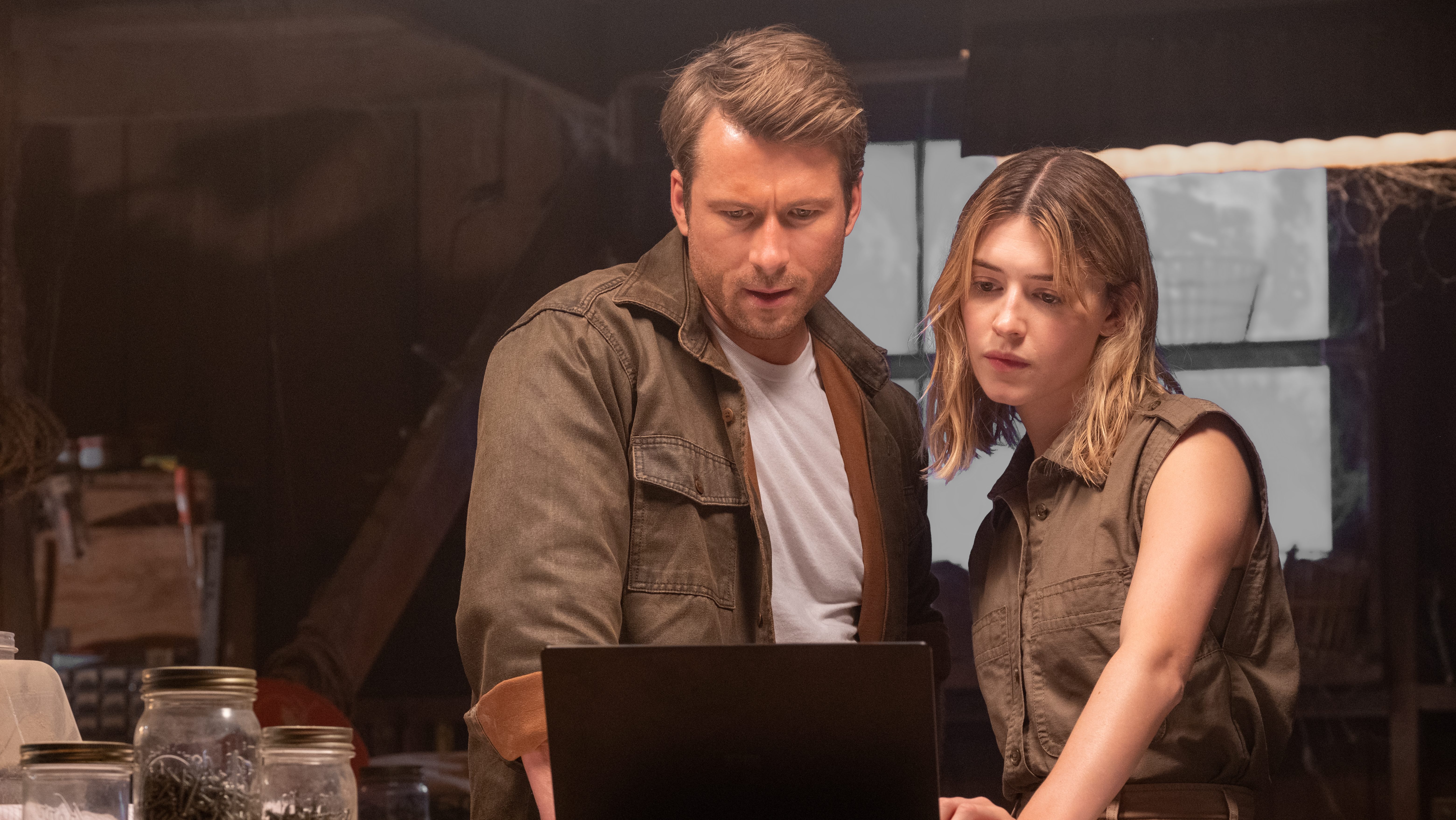
Much like Jo, who reminds Bill of what he has been missing since he quit chasing, Tyler makes it his mission to remind Kate how much fun it can be, how alive storms can make you feel, and why she loved it in the first place, before one took the lives of her friends five years prior. It is during these sequences of the pair working together on their own, hanging out in open fields, researching and testing Kate’s theories, that the film feels its most genuine, light, and loving. A label that reads ‘Kate’s Barrels’ on the gearbox of Tyler’s truck becomes the height of romance: the internet-famous ‘Tornado Wrangler’ is more than happy to give up the spotlight and follow her lead (“She’s your story, Ben.”).
And it is, as Powell said, a beautiful thing to build something with someone who encourages and drives you. Twisters does not end in a cinematic kiss like its predecessor, yet intimacy is shown through the way the pair let their identities bleed into each other. When Kate steals Tyler’s truck and drives into a terrifyingly large storm in hopes of “taming” the tornado, she inherits his reckless streak as her own. This move, which Tyler usually uses to get views, becomes part of a greater risk and purpose. They inspire and embolden each other; two souls intertwining through the bravery of their actions.
There’s something Tyler says when explaining why he chases storms, that “when you love something you spend your whole life trying to understand it.” It sounds a lot like the dreamy narration in Fire of Love, when July tells us that “understanding is love’s other name.” The strongest of loves is born out of an endless desire to learn as much as you can about the object of your affection. To be able to share that with someone, who has the same desire you do, is an unmatched feeling. Each of these three couples are united in their grief and knowledge of what these forces can take from you, of what it means to love something so formidable. This makes them stronger as scientists, and as partners: they know that love is why you do it. I will destroy myself for passion, they say with each action; I know you will, too. Let’s do it together.
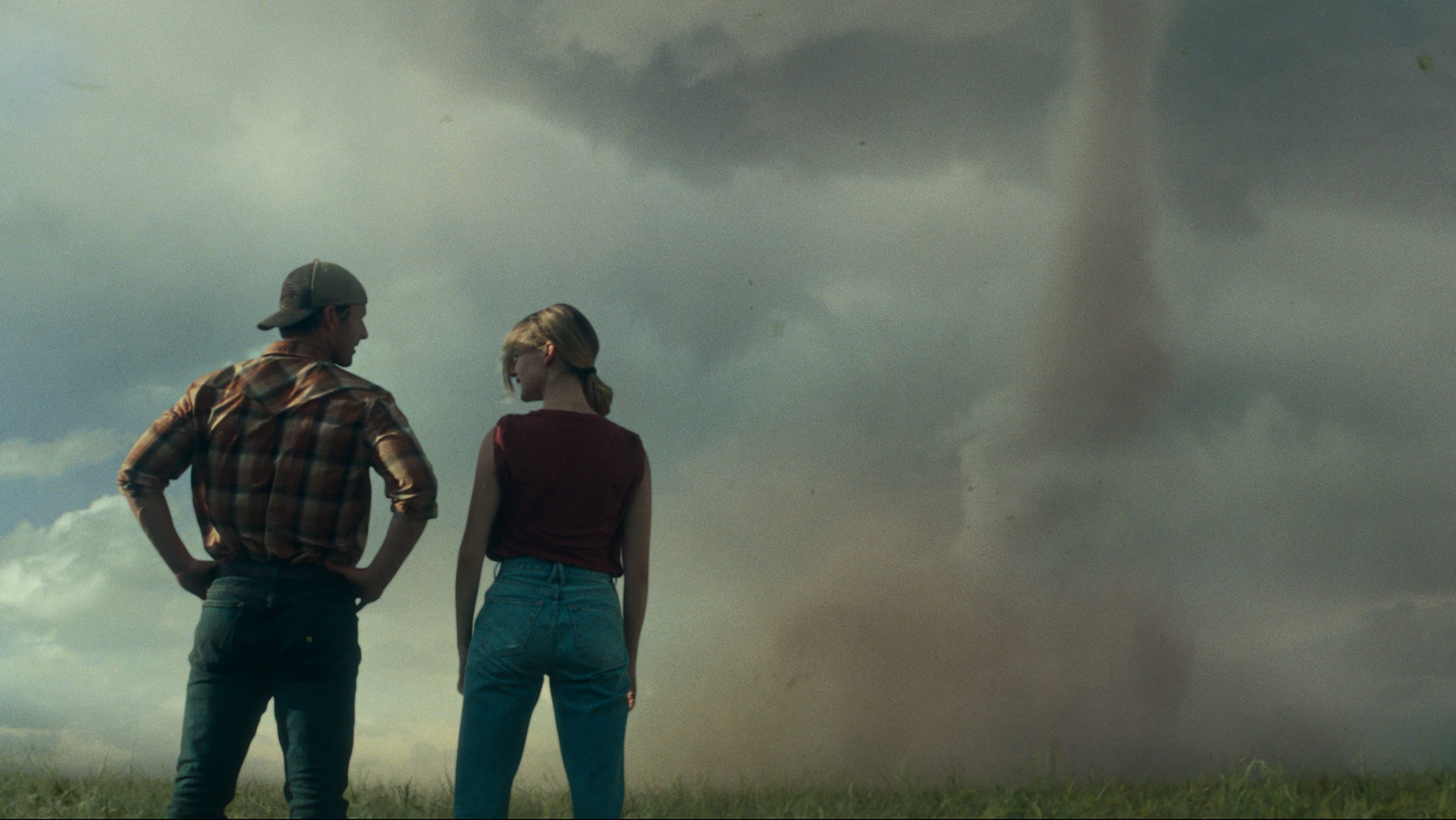
Twisters is currently showing in Australian cinemas.
**********
Claire White is a writer and bookseller in Naarm/Melbourne. One of the founding members of Rough Cut, she has been published by The Big Issue, ACMI, Senses of Cinema, Metro, Little White Lies, The Guardian Australia, Vogue Australia, and more. She currently writes about movies and sports for her newsletter SportsMovies82.

