


In the mid-2000s, Tom Cruise was facing his own sort of reckoning. A series of media faux pas—a nationally televised tirade against psychiatry, an infamous couch-jumping declaration of love, and a persistent advocation for the Church of Scientology, to name a few—had soured his celebrity image, diminishing the star’s box office power and turning one of cinema’s most famous faces into an increasingly polarising public figure. Following the commercial disappointment of Mission: Impossible III (2006), Paramount Pictures were quick to sever ties with the actor. “His recent conduct has not been acceptable to [us],” said then-Viacom head honcho Sumner Redstone on the decision to boot Cruise from his film studio’s Hollywood backlot. “We thought it was wrong to renew his deal.” By the time plans for the fourth instalment of the franchise began to take shape, rumours swirled that executives were finally looking to solve their glaring Tom Cruise problem—potentially forcing the actor to hang up his boots and pass the reins to a younger, less controversial star.
When Ghost Protocol (2011) eventually released five years later however, it featured the first instance of what would become a defining trait of the next decade-and-a-half of Cruise’s career. For the film’s riveting midpoint set piece, the star memorably scaled the glass-panelled exterior of the Burj Khalifa skyscraper in Dubai (the tallest building in the world to this day), a feat so incredible that it changed the public’s perception of him overnight. No longer was he Tom Cruise, the enigmatic movie star audiences couldn’t relate to, but rather Tom Cruise—the intensely devoted action hero that you weren’t supposed to understand at all, a man willing to put his own life on the line for the entertainment of moviegoers everywhere.
Mission: Impossible – The Final Reckoning, the latest and seemingly conclusive entry of the franchise, picks up just a few months after the events of 2023’s Dead Reckoning. The Entity, a rogue Artificial Intelligence model, has asserted its control in virtually every corner of cyberspace, infiltrating governments and information systems around the globe as it plows ahead in its mission to wipe out the human race via an all-out nuclear war. To prevent such an apocalypse from happening, super-spy Ethan Hunt (Cruise, in his eighth performance as the character) and his motley crew of misfit agents must locate The Entity’s original source code, buried deep within a sunken Russian submarine somewhere in the Arctic Circle. While doing so, they must also keep tabs on the elusive Gabriel (Esai Morales): The Entity’s chosen human acolyte, who just so happens to be a figure from Ethan’s own shadowy past.
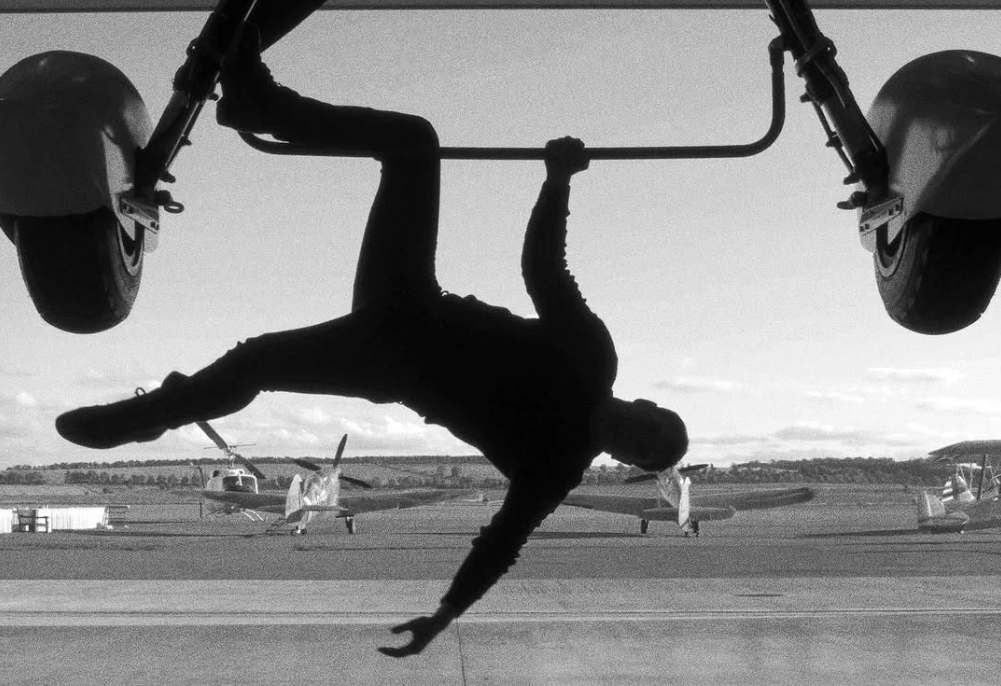
Returning to the director’s chair for the fourth time is Christopher McQuarrie, the Oscar-winning filmmaker who Cruise first brought onto the series to perform an uncredited rewrite of Ghost Protocol back in 2010. While the appeal of the earlier Mission films centred around their habit of letting auteurs like Brian De Palma and John Woo imprint their stylistic preoccupations and visual panache on a giant Hollywood production, McQuarrie’s instalments instead brought a refined sense of pacing and rhythm to a franchise that was so often characterised by frenzied chaos. It’s a nifty trait that led to two of the franchise’s high points in Rogue Nation (2015) and Fallout (2018), both of which blend the caper-esque antics of the series with the unforgettable stunt work that Mission has come to be known for, further cementing it as one of the singular action properties of the 21st century.
Dead Reckoning was notably the first of these films to be about something other than Cruise’s thinly veiled self-mythology, an aspect that might explain the more muted reaction upon its release. As vocal champions of practical filmmaking and the communal theatrical experience, Cruise and McQuarrie’s inclusion of an algorithmic AI villain felt pointed. (In 2022, the star hastily brushed off the prospect of a straight-to-streaming release for Top Gun: Maverick during the pandemic, a film whose screenplay McQuarrie co-wrote. “That was never going to happen,” he dismissively laughed at Cannes that year.) However, in building this element of the movie, Dead Reckoning possessed a certain clunkiness that was absent from McQuarrie’s previous entries, as the filmmaker attempted to juggle the necessary table-setting required to establish these new story beats with the make-it-up-as-we-go methodology that he and Cruise had been practising up until that point.
Their latest film, unfortunately, only further expounds on these issues. While Dead Reckoning’s exposition-ladled cold open was at least broken up by three (!) contained action sequences, the first act of The Final Reckoning strains to put all of its pieces in place through a mixture of archival footage and flashbacks to earlier entries in the series. Boasting what might be the franchise’s largest ensemble cast, McQuarrie also devotes a significant amount of this time to introducing us to a mix of new and familiar faces. An example of the latter is US President Erika Sloane (a returning Angela Bassett, bringing a perfect amount of gravitas to the film), who admonishes Ethan for placing the burden of saving the world squarely on his own shoulders. These scenes have a pleasant metatextual layer to them; Sloane’s Washington underlings who guffaw at Ethan’s unwavering determination are portrayed by a who’s who of television stars (“You gave him an aircraft carrier!?” exclaims Mindhunter’s Holt McCallany to one of our hero’s absurd requests). But their lack of propulsive action slows down a series known for bursting out of the gates right from its opening credits.
Despite this unwieldy start, the film finally hits its stride when it reaches the first of its two major set pieces. There is perhaps no greater joy than watching Cruise stumble his way through increasingly ridiculous situations. This time around, the star and Mission’s longtime stunt coordinator Wade Eastwood have concocted a pair of exhilarating sequences that push Ethan (and the man playing him) to his bodily limit. Cruise, a noted student of Buster Keaton and Charlie Chaplin, has always infused his action with bouts of self-effacing humour, in stark contrast to the contract-mandated macho-posturing approach of other Hollywood leading men. In one breathtakingly claustrophobic underwater segment, the star is forced to constantly reorient himself on a spinning axis inside a flooding vessel, an almost entirely silent scene that sees Cruise conveying Ethan’s mounting frustrations solely through his physical performance. That’s not to mention the film’s climactic aerial section, where Ethan dangles precariously on the wing of a biplane as he comically attempts to hurl himself into the cockpit mid-flight. Both rank among the very best these films have to offer.
For a franchise that has refrained from asserting a strict connective tissue between its movies, there’s something strangely poetic about the way The Final Reckoning ties itself back to Ethan’s earlier adventures. It’s hard not to think that a handful of questionable retcons here are evidence of Cruise and McQuarrie itching to give the film a greater sense of finality by imbuing it with some emotional wallop. But for a movie largely focused on the destiny-bending power of man’s free will and the impact our choices have on our own fates, what initially comes off as an uncharacteristic act of MCU-like fan service eventually becomes a touchingly human grace note that bookends the film—not even The Entity could have predicted life’s peculiarities.
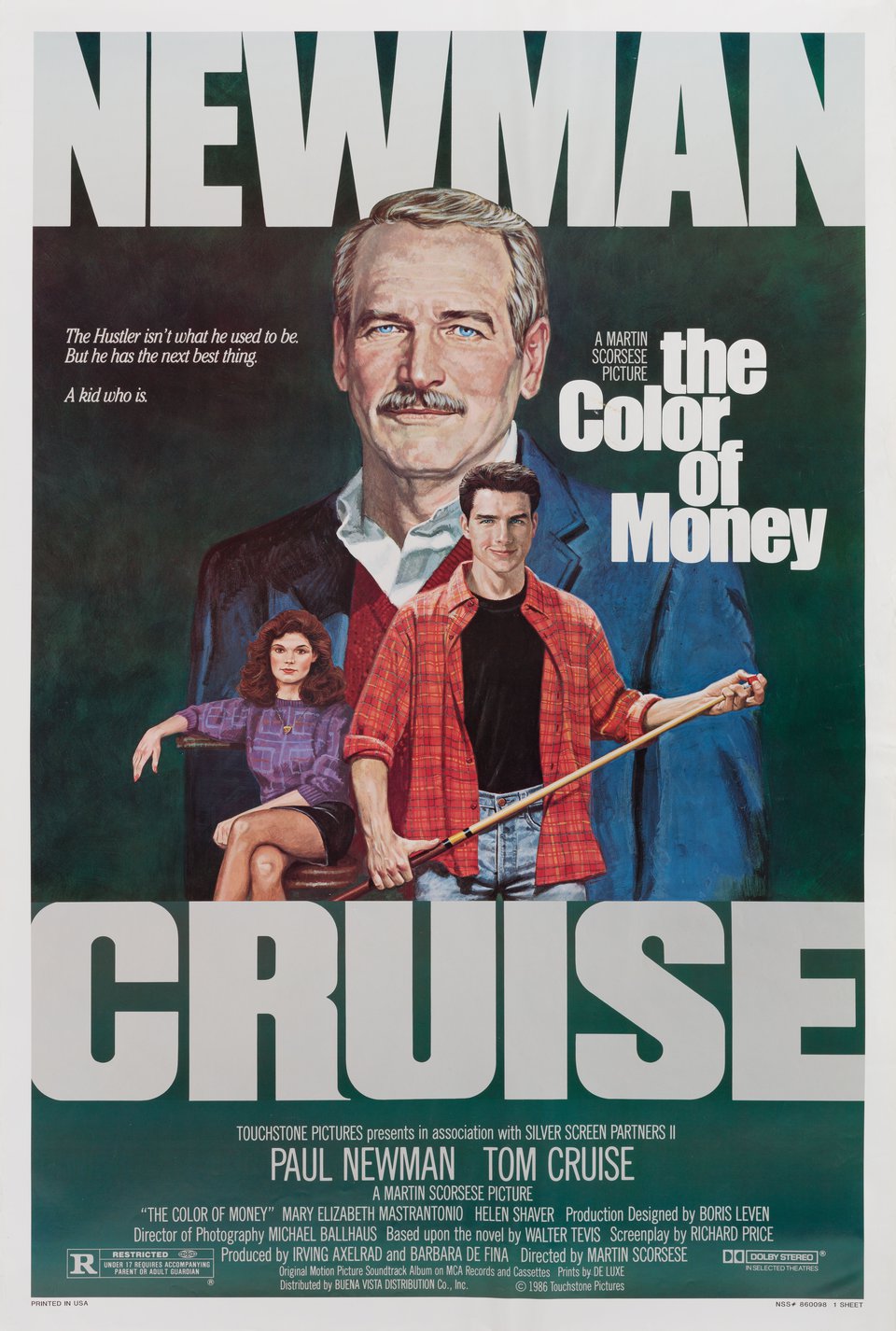
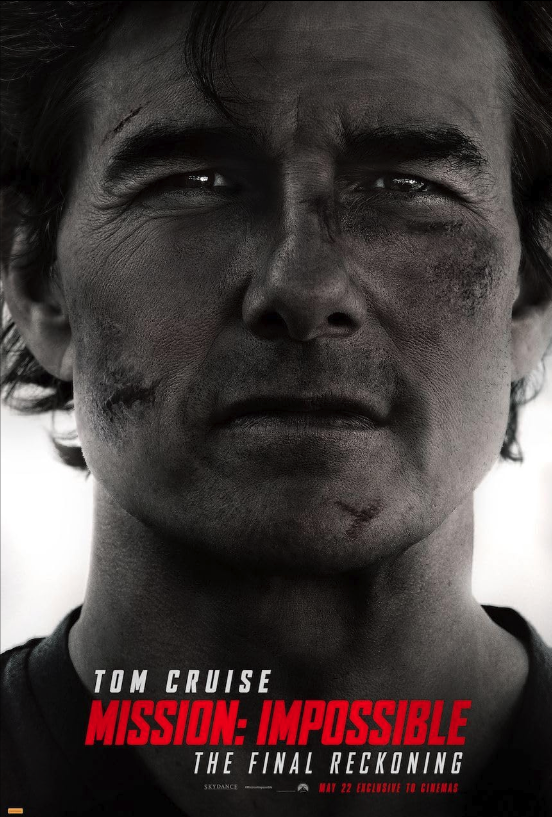
These kinds of ironies are also something Cruise feels poised to consider. At almost 63, the actor is a few years older than Paul Newman was when the two shot The Color of Money in 1986—a film that has since been recognised as a symbolic passing of the torch between two generations of movie stars. It’s tempting to interpret The Final Reckoning’s key promotional image—a monochromatic portrait of Cruise staring right down the camera, bruised and scarred but still as beautiful as ever—as a possible signpost for what comes next in his career. Whether he continues to keep making films on this kind of scale (a “deposit” to movie theatres is what McQuarrie coined them at Cannes last week), or down-switches to the more dramatic fare that solidified him as a household name more than 30 years ago, will depend on his own discernment of cinema’s state of affairs and his self-anointed role as one of its saviours. If nothing else, The Final Reckoning is Cruise asking us to have faith that he’ll figure it out. It’s up to audiences to choose whether they accept that mission.
Mission: Impossible – The Final Reckoning is now showing in Australian cinemas.
**********
Kevin Bui is a writer and critic from Melbourne. His work has been published in The Guardian, Little White Lies, and The Big Issue.
 Rough Cut