


Delia (Paola Cortellesi) lives in inner-city Rome, in a partially underground house where the windows open onto street level. A man, seen only from the waist down, kicks dust into the kitchen as he passes by. A dog takes a leak on the pavement, which pools only inches from the windowsill. This half-buried, working-class home is also a volatile one; Delia’s cruel husband, Ivano (Valerio Mastandrea), treats her like many things—a personal servant, a nurse for his ailing father, a piece of furniture, a punching bag—before a beloved wife. Delia also cares for three children: two young boys and her teenage daughter Marcella (Romana Maggiora Vergano), who observes her parents’ dynamic with alarm and disgust.
Cortellesi, a popular comedian who directed and co-wrote There’s Still Tomorrow (alongside Furio Andreotti and Giulia Calenda) in her filmmaking debut, takes cues from the neorealists in presenting a monochrome, 1946 Italy. This period is noteworthy: still reeling and economically vulnerable after World War II, the characters are caught between the recent fall of Italy’s Fascist regime and a looming referendum that would soon see the country vote to replace its monarchy with a more democratic republic.
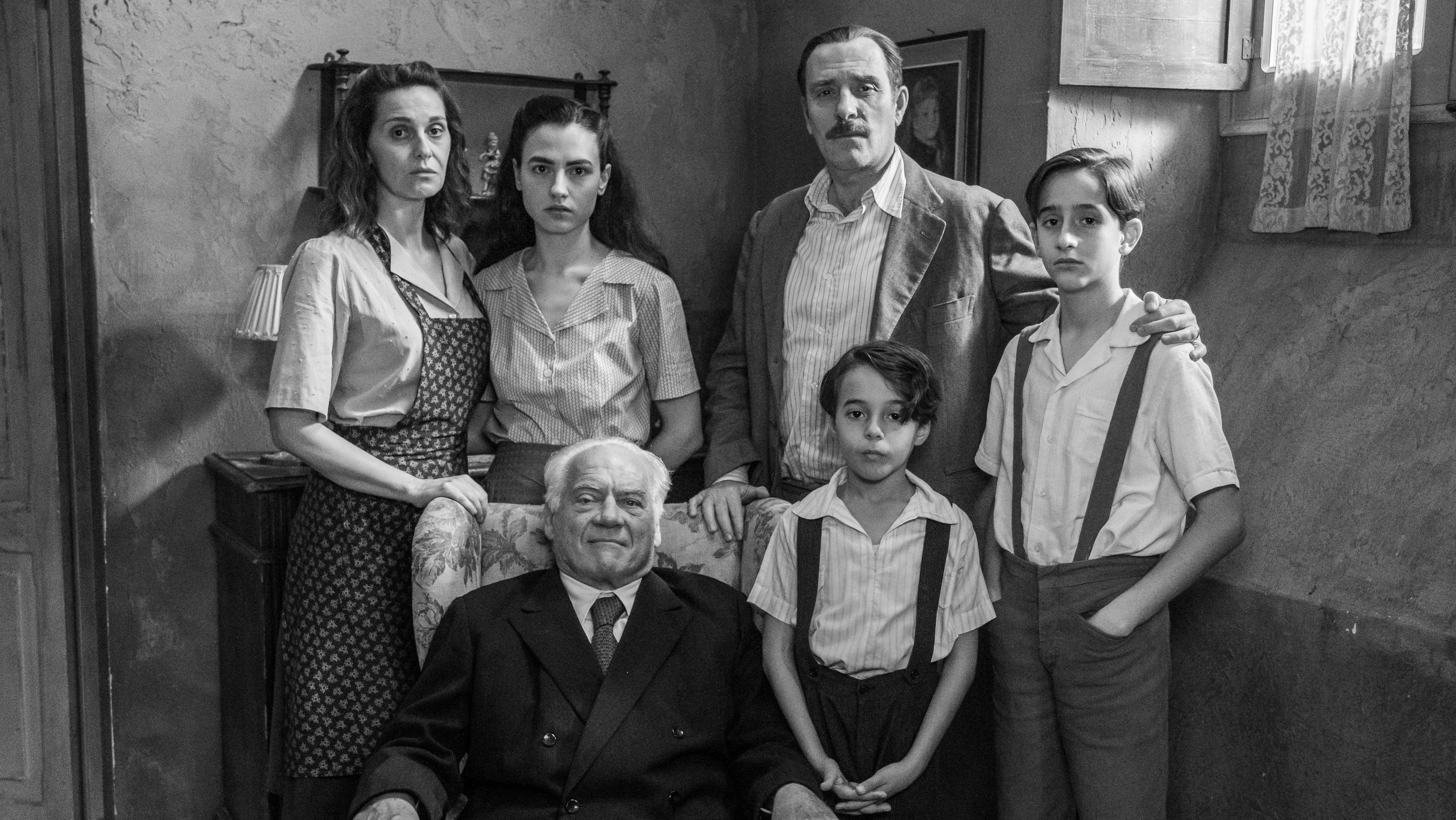
The film begins with a jolt of violence. Ivano, upon being wished good morning by Delia, responds with a sharp backhand slap. The moment is matter-of-fact, almost too sudden for the appropriate pain to register. Ivano gets out of bed and Delia continues with her morning routine, brushing her hair and dressing, then preparing for a day of further indignities. The sequence is partially soundtracked by Fiorella Bini’s 1956 version of the uplifting ‘Aprite le finestre.’ Here, one of the song’s lyrical refrains, which can be translated to “Open your windows to the newly born sun,” offers a fantasy of newness and possibility. “In tomorrow,” Bini sings, “your happiness lies.”
This piece—which will later be outstripped by further anachronistic musical ruptures—introduces one of the film’s guiding formal ideas: popular music as a method of escape, both outlet and retreat, where yearning and dissociation go hand in hand. What Delia seeks has no correlative language in the reality of the film, so Cortellesi must reach for something increasingly modern, often to the point of irony. Soon after, we hear ‘Calvin’ by The Jon Spencer Blues Explosion—a drum-heavy, confrontational blues track from 1998—as Delia strides resolutely down the street.
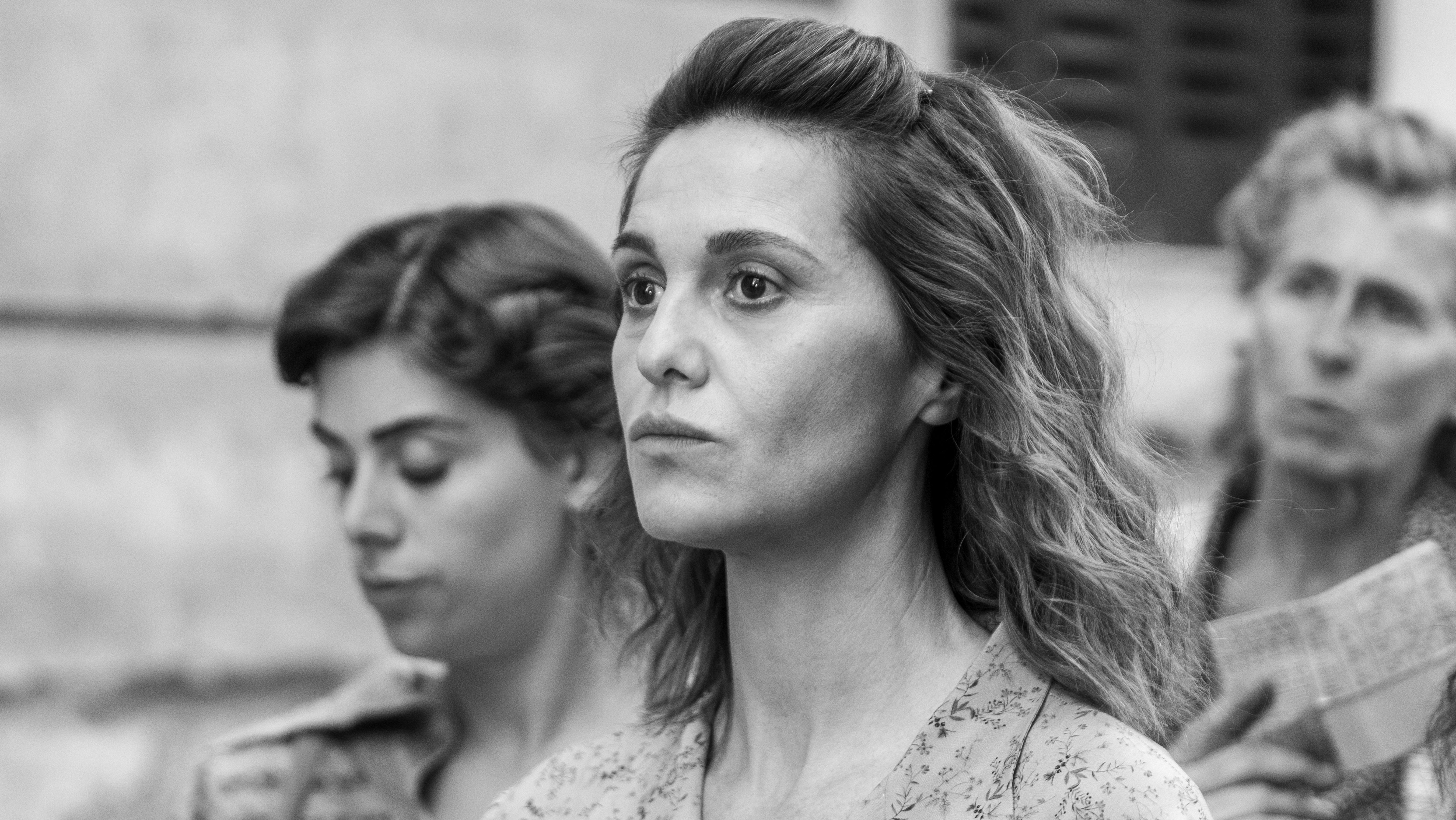
To support her husband’s income, Delia performs many odd jobs, including administering medical injections, mending clothing and hosiery, laundry, and repairing umbrellas. She saves some of her personal earnings for herself, stuffing them in her bra in-between errands, and safeguarding them for Marcella’s future wedding dress. As Delia exerts herself around town and socialises in the courtyard outside her home, the film paints a rich and dynamic portrait of her community. People young and old litter the sidewalk, both wealthy and weathered, playing and working. Women form spoken and unspoken alliances along class lines, though we catch glimpses of more well-off wives in similarly constricting circumstances. One woman in Delia’s building displays a unique kindness (revealing, perhaps, a quiet network of solidarity) when she insists Delia accept a mysterious letter addressed to her instead of giving it to Ivano first.
As There’s Still Tomorrow progresses, the extent of Ivano’s abuse becomes devastatingly apparent, culminating in a scene that simulates physical violence via dance. This tragicomic approach turns Delia’s painful familiarity with her spouse’s abuse into a grotesque choreography. One might accuse this wry treatment of treading too lightly were it not such a lucid, uncomfortable reflection of Ivano’s routine cruelty, confirmed as such by Marcella’s permanent repulsion and wide-eyed apprehension towards her father. Marcella also wields a number of emotions both at and on behalf of Delia: pity, disgust that her mother might ‘put up’ with such treatment, and principled anger. Because of this, their relationship is knotty, at times withholding. However, a key narrative thread concerning the young woman’s engagement to a middle-class man, Giulio (Francesco Centorame), reinforces the inescapability of their society’s brutal, patriarchal attitudes. The screenplay wields heart-rending parallels between Marcella and Delia that register and refract through the latter’s concerned face, and incite a series of radical, protective acts.
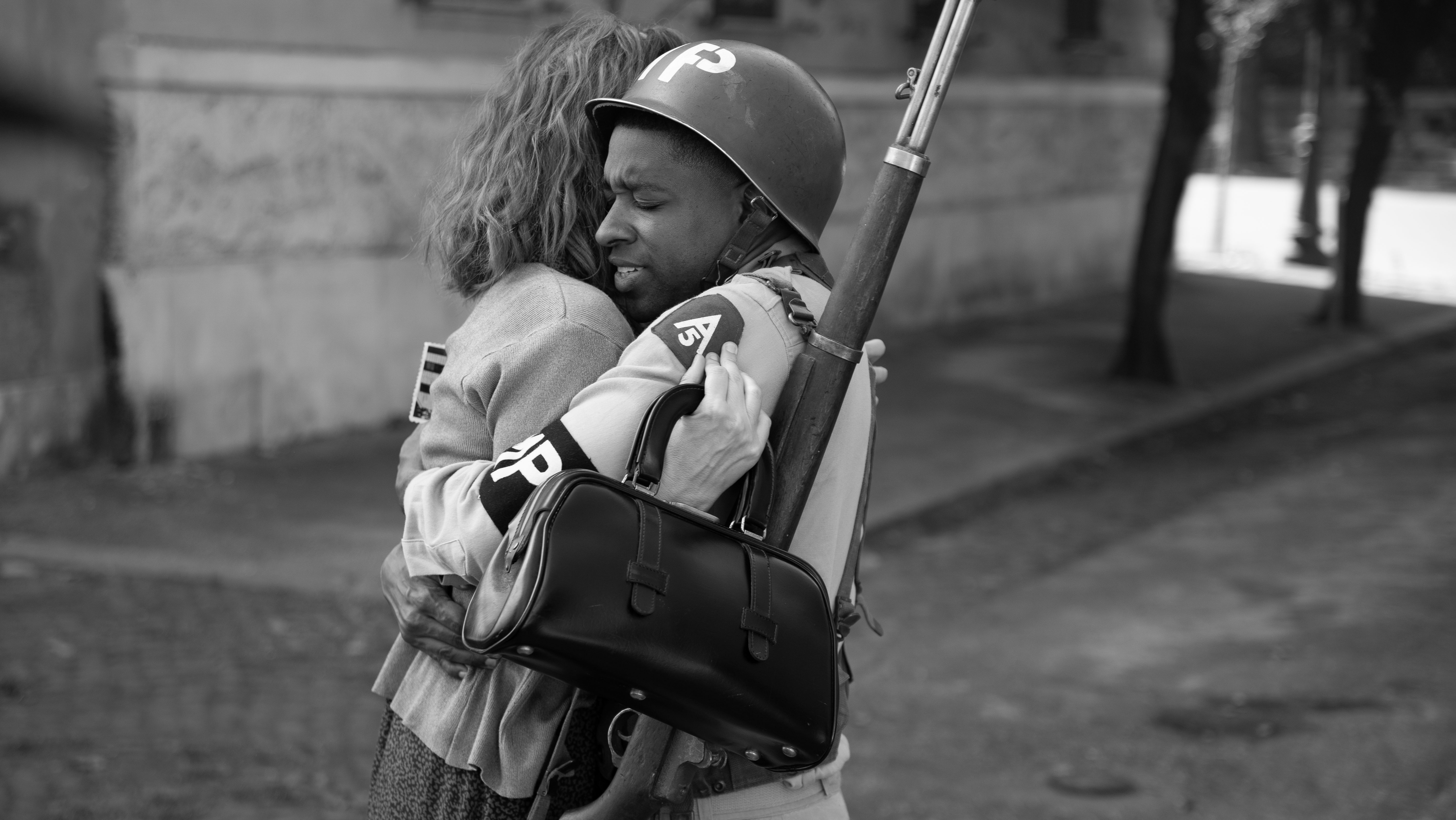
Cortellesi’s protagonist, played with great wit and sensitivity by the director, is not without her allies. A friendly encounter with an American soldier (a thoroughly charming Yonv Joseph) places him in Delia’s debt, and while he becomes crucial to her aims, one also wishes their sweet, humorous dynamic had been given more room to deepen. Then, there are moments shared with Delia’s close friend Marisa (Emanuela Fanelli) and old flame Nino (Vinicio Marchioni), through which we gain an insight into a warmer, more vibrant self. Cortellesi’s comedic background (which includes sketch comedy, stage, and screen work) shines most brightly in these moments: the dry banter between old friends or a chocolate-covered, exaggerated grin. Here too, cinematographer Davide Leone finds a welcome balance between naturalism—in which wide shots situate the characters firmly in their modest yet fraught environments—and more playful breaks from reality.
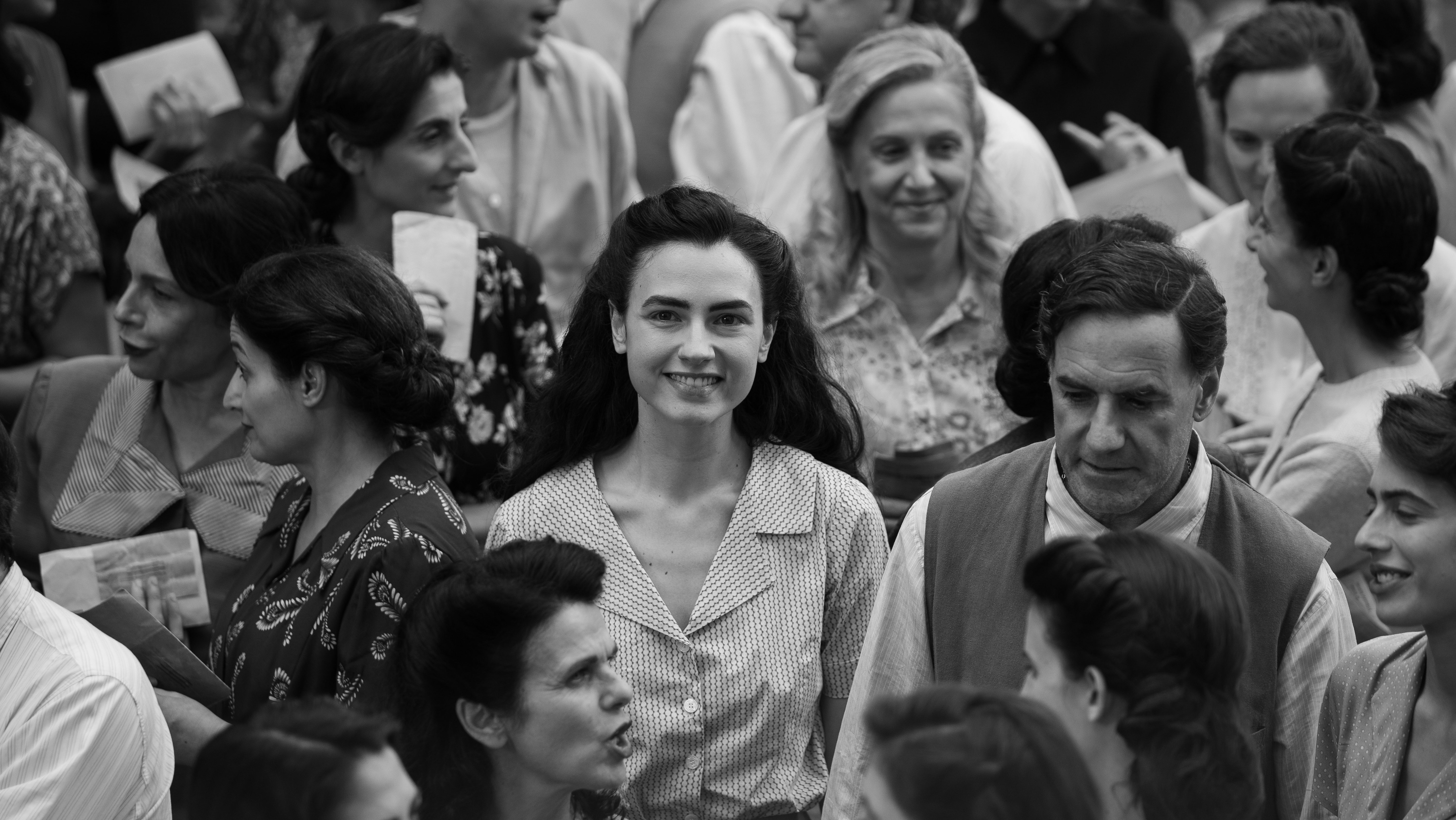
The film’s final stretch offers an electric succession of schemes and frustrations for Delia, leading to something of a twist concerning Italy’s 1946 national elections on the second and third of June—the first in which women could vote. Cortellesi tries admirably here to expand the personal plight of Delia and the women in her life to a national scale, empowering them with an ethos of collectivity and political voice. The future for Delia, Marcella, and a generation of Italian women suddenly opens up. But amid this hopeful expansion, there is something lacking; while the film’s historical emphasis on newfound democratic power is significant, it also negates the immediate stakes of Delia’s character, particularly her desire to disrupt the cycles of abuse surrounding her. Beyond proffering a symbolic freedom, There’s Still Tomorrow doesn’t create enough space to meaningfully meld this macro electoral thread with the micro of its preceding domestic drama. This ending, though not without its charms, risks rendering a too-broad conclusion for an otherwise intimate and striking film.
There’s Still Tomorrow screened at the 2024 Sydney Film Festival on June 7, 8, and 10, where it won the Sydney Film Prize. There will be an encore screening on June 20.
**********
Tiia Kelly is a film and culture critic, essayist, and the Commissioning Editor for Rough Cut. She is based in Naarm/Melbourne.
 Rough Cut