


Japanese director Hirokazu Kore-eda is a master at depicting fluid notions of intimacy, and the complexities of the human spirit living under crushing systemic pressure. His films often begin with great change, which forces a series of moving self-examinations, whether it’s the death of a child, human traffickers confronted with the mother of their latest stolen baby, or—in the case of his Palme d’Or-winning Shoplifters (2018)—a piecemeal family of thieves adopting a new stray. My personal favourite of his, After Life (1998), proves that the work of understanding ourselves and others never ends, not even after death.
His latest feature Monster, which won the Queer Palm at last year’s Cannes Film Festival, sees the director returning to Japan after directing in France and South Korea. It also marks the first time the director has shot a script he hasn’t written since his debut, Marborosi (1995). Kore-eda here teams up with Yuji Sakamoto—a screenwriter primarily known for his work in television, whose prolific experience in episodic storytelling is strongly felt in Monster’s lush, multi-perspective tableau.
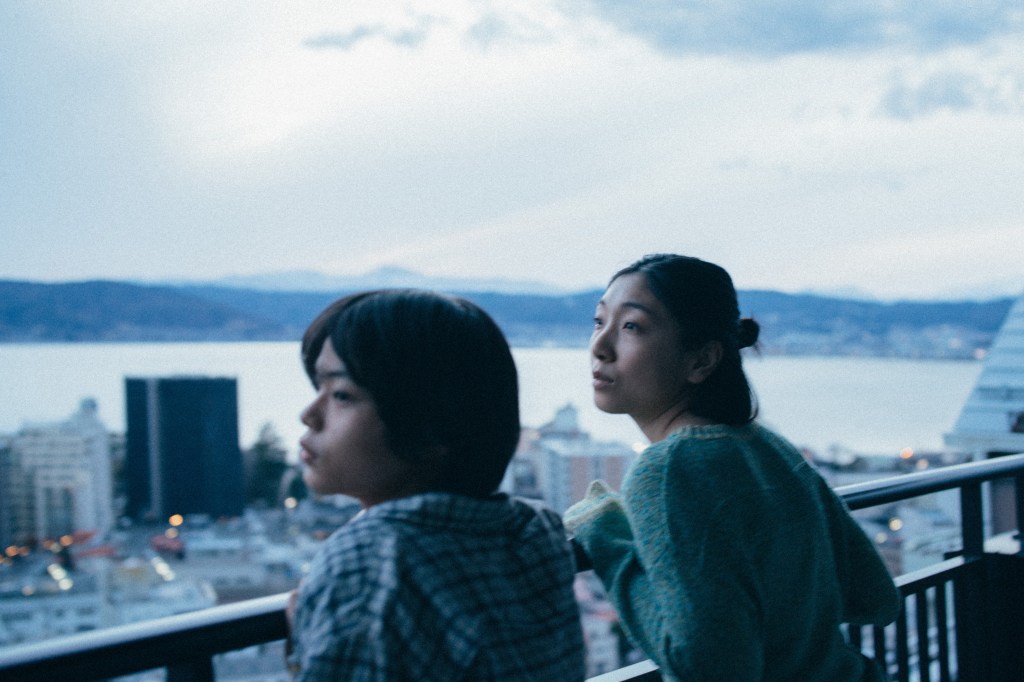
The story begins with a single mother (Sakura Ando, Godzilla Minus One) attempting to hold an elementary school accountable after a teacher allegedly strikes her son, and shifts gears when that same teacher accuses the boy of bullying another student. The film soon unfurls in a thrilling panorama that encompasses school bureaucracies, burgeoning desire, and socially imposed shame, culminating in a violent rainstorm that reflects the turmoil of the troubled ensemble. Through it all, Kore-eda’s intricate understanding of the emotionally cyclonic inner worlds of children—a common thread in his humanistic oeuvre—shines through.
Note: the following interview has been edited for length and clarity.
Claire Cao: Many of your films are about trying to bridge the gap between people and our understanding of each other’s interiority. But in Monster, the structure is what illuminates that understanding. Was that structure something that drew you to Mr. Sakamoto’s script? Can you talk about the process of working with him?
Hirokazu Kore-eda: When I first read the plot of this film—that was back in December 2018, so more than five years ago at this point—it was really a page turner. I just couldn’t stop turning the pages. I couldn’t quite figure out what I was reading or what was going on, but I still wanted to see what happens next. I kept on reading. When I was done, I felt that this sense of wanting to turn the page without quite understanding what was going on—if I can actually make an audience feel this same kind of feeling or sensation, the film could be successful.
This isn’t necessarily something I think about when I’m writing my own scripts. I don’t really work with misleading an audience or having this same kind of sensation when I’m writing. I learned a lot and I felt like it was a worthy challenge for myself. And so, I accepted this offer. I would have accepted the offer no matter what from him. However, when I read this, I was very excited and accepted immediately.
CC: I’m so moved by how deeply you understand children and the ways in which they can be both instinctively cruel and innocent, while adults find ways to justify their behaviour. Did you aim to portray this gap between adult and child perspectives?
HK: What you’re describing here is something that Sakamoto wrote into the film and into the script, but that is also how I interpreted it. There’s the first and second part of the film that’s told from the adult perspective and the adults think that the monster is outside of themselves. However, when we get to the third part, even though it’s not actually true, the children think that the monster is inside of them. I think that does depict a sense of cruelty and innocence as well as the danger that’s present there.
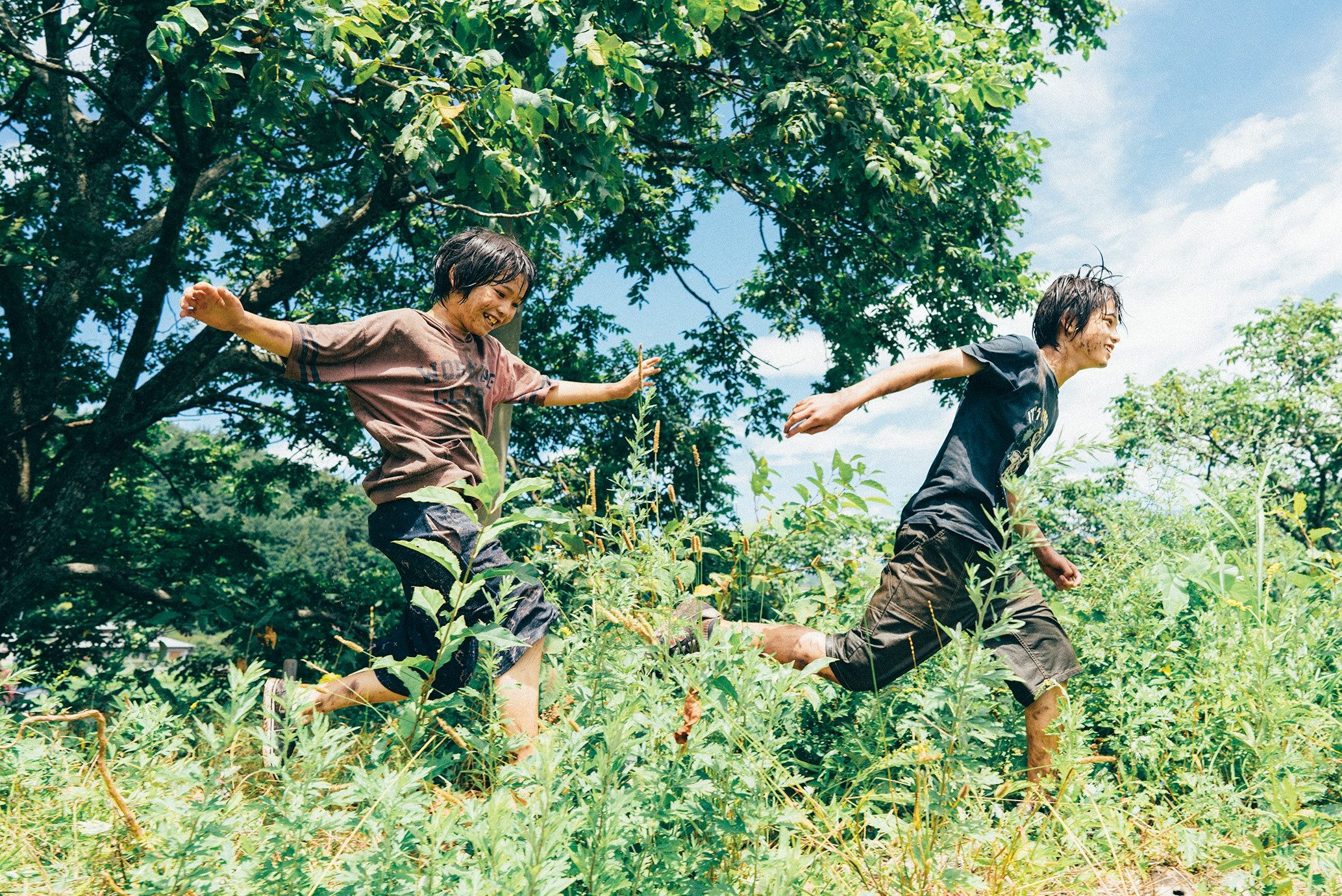
CC: The film’s core is this beautiful relationship between the two boys and the creation of their private world. How did you work with child actors to build that relationship?
HK: Usually when I work with children in my films, I don’t give them the script in advance, and I actually feed them the lines on the set. As a result of that, my films end up getting closer to the actual personality of the child actors. And in fact, I make changes to my script accordingly as we go along in production.
However, this time around, given the conflicts that are within the characters for this film, I felt that that would be a dangerous approach to take. Instead, we talked about not building the character and the conflict within the children but actually working together to build the character and roles outside of themselves, so that’s the approach that I took. But I also took many approaches in figuring out how to do this. We also had somebody come in from an LGBTQ+ organisation to talk about sex, to talk about gender. We also had a midwife come in and talk, a teacher who often teaches sex education in schools to also come in as well.
And so, with all that, I did give them the script in advance, and we also did readings and did rehearsals together before we went into production, so that they could have a better grasp of the role. I ended up taking the same approach as I do with adults.
CC: Monster depicts the complexities and contradictions of being a parent and educator, and the humanity of these carer roles. What drew you to these characters when you first read the script?
HK: Everybody in the film is warped in their own ways. I’m not interested in directing or writing characters that are just good, or superheroes per se. I don’t find these kinds of characters that are all good to be interesting. But these characters all have something that’s very disturbing about them. And to me, as a director, that’s really interesting for characters to carry these things. It’s probably also interesting for actors as well.
Especially with the mother [played by Sakura Ando]. She doesn’t, until at least partway [through] the film, think that she’s doing anything wrong. There’s something very cruel but also interesting about her character going towards more than just protecting her child, she starts to turn very monstrous. I think people who have children, or are parents, can maybe feel that the line between monstrosity and not—that boundary is thinner than what we might consider.
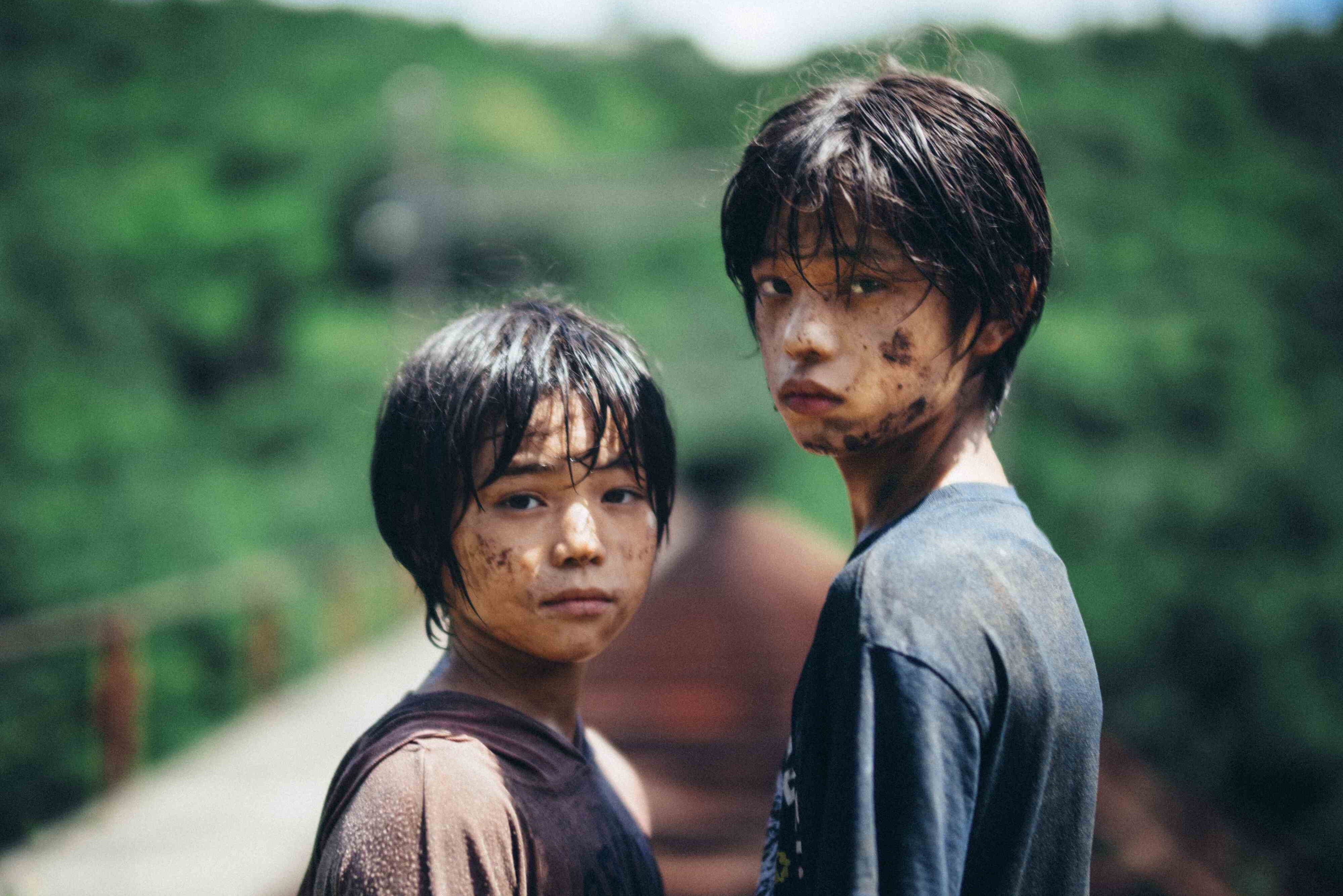
Monster is now showing across Australia.
**********
Claire Cao is a writer and editor from Western Sydney. She is the Film Editor for The Big Issue Magazine.
 Rough Cut